

How Can Cold Weather Affect Seniors With Diabetes or Circulatory Issues?
Winter can be challenging for older adults, especially those managing diabetes or circulatory issues. Cold temperatures influence blood flow, mobility, and overall comfort, making seasonal awareness essential for safe daily living. Understanding how winter conditions affect the body helps families and caregivers support seniors more effectively and reduce avoidable health risks throughout the colder months.
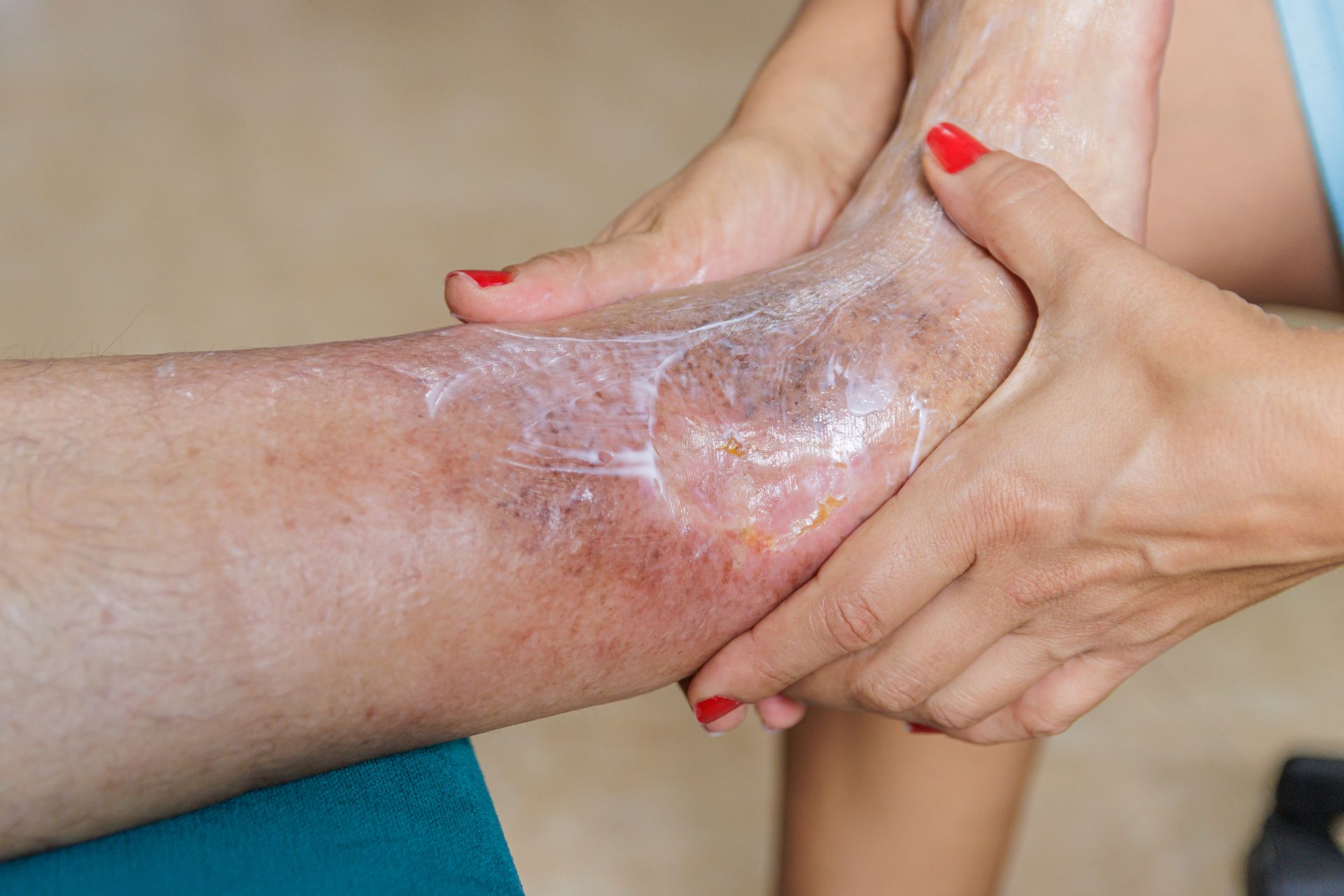
Why Cold Temperatures Impact Circulation
When temperatures drop, the body works to conserve warmth by narrowing blood vessels. This natural response, called vasoconstriction, reduces blood flow to the hands, feet, and legs. Seniors with circulatory disorders, such as peripheral artery disease or chronic venous insufficiency, may experience increased discomfort, tingling, or swelling.
Reduced blood flow also affects wound healing. Cold weather can slow the body's ability to repair tissue, which is especially important for seniors with diabetes, since they are more prone to slow healing and foot concerns.
How Winter Affects Seniors Living With Diabetes
Changes in Blood Sugar Levels
Cold weather can influence blood glucose levels. The body may produce more stress hormones during temperature drops, which can raise blood sugar unexpectedly. Seniors who use insulin or medication may notice fluctuations throughout the day.
Reduced Activity Levels
Snow, ice, and freezing temperatures often limit outdoor movement. Less physical activity can lead to higher blood sugar levels and reduced circulation. Encouraging safe indoor exercises supports mobility and improves winter wellness.
Higher Risk of Foot Problems
Seniors with diabetes are more vulnerable to numbness, slow healing, and poor circulation in the lower limbs. Combined with cold weather, this can increase the likelihood of:
- Dry or cracked skin
- Reduced sensation
- Pressure sores
- Slow healing wounds
Monitoring diabetic foot care guidelines becomes especially important during winter months.
Common Winter Symptoms for Seniors With Circulation Concerns
Many older adults experience increased discomfort when temperatures fall. Some of the most common symptoms include:
- Tingling in hands or feet
- Cold extremities
- Leg cramps
- Swelling
- Pale or bluish skin tone
- Slower walking pace due to muscle stiffness
Recognizing these symptoms helps caregivers take early action to prevent complications.
Tips to Support Senior Wellness During Cold Weather
Maintain Warm Indoor Temperatures
Keeping indoor spaces comfortably warm helps reduce circulation stress. Layers of clothing allow seniors to regulate temperature safely.
Encourage Safe Movement
Gentle stretching, short walks inside the home, or seated exercises help stimulate blood flow. Increased movement also supports better blood glucose control.
Protect Hands and Feet
Warm socks, properly fitted footwear, and soft gloves reduce exposure to cold temperatures. Moisturizing skin daily lowers the risk of cracks and irritation.
Monitor Blood Sugar More Frequently
Since cold weather may impact levels, regular monitoring helps prevent sudden highs or lows.
Support Proper Hydration
Hydration supports circulation, joint comfort, and overall wellness, even if seniors feel less thirsty in winter.
Conclusion
Cold weather can significantly affect seniors living with diabetes or circulatory issues, but understanding these seasonal challenges allows families and caregivers to provide safer, more supportive care. At Gluco Lodge Personal Care Home, our team prioritizes winter wellness through attentive monitoring, warm and comfortable living spaces, and personalized support for every resident's health needs.