

How to Help an Aging Parent Adjust to Personal Care Living
Moving into a personal care home is a significant life change for older adults and their families. Even when the decision is made with care and consideration, leaving a familiar home can bring feelings of uncertainty, sadness, or anxiety.
Helping aging parents adjust to personal care begins with listening to their concerns, preserving familiar routines, encouraging independence, and maintaining regular family connections. Creating a comfortable living space and allowing time to build new relationships can also make the transition easier.
At Gluco Lodge Personal Care Home in Stroudsburg, PA, we understand that adjusting to a new environment takes patience and compassion. Our family-owned community provides personalized support in a warm, welcoming setting where residents are encouraged to feel comfortable, connected, and valued.
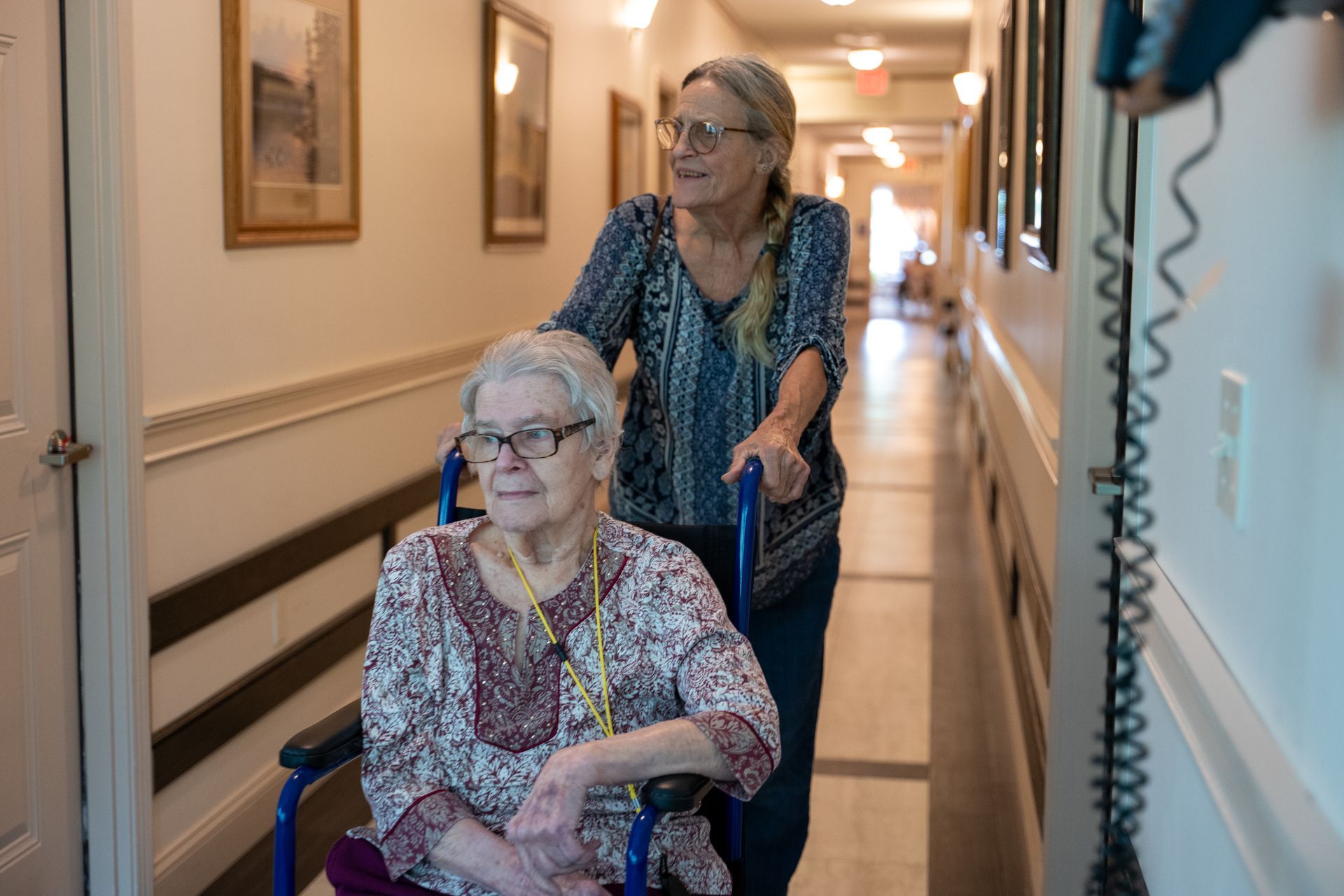
Why Can Moving to a Personal Care Home Be Emotional?
For many older adults, home represents more than a place to live. It holds memories, familiar routines, treasured belongings, and a sense of independence.
Moving into a personal care community can bring positive changes, including additional support, opportunities for social connection, and relief from difficult household responsibilities. However, it can also create feelings of loss or uncertainty.
Some seniors may worry about:
- Losing control over their daily routines
- Being separated from family members or longtime neighbors
- Adjusting to unfamiliar surroundings
- Making new friends
- Depending on others for personal assistance
- Feeling that their independence is changing
These concerns deserve understanding and respect.
According to the National Institute on Aging, moving into a residential care setting can be stressful for older adults and caregivers, and everyone may need time to adjust.
Families can make the experience more comfortable by offering reassurance without dismissing their loved one's feelings.
7 Ways to Help an Aging Parent Adjust to Personal Care
Every older adult experiences change differently. Some residents quickly embrace new routines, while others need additional time and encouragement.
The following strategies can help families support a smoother transition.
1. Listen to Their Feelings and Concerns
One of the most meaningful ways to support an aging parent is to listen.
Your loved one may express sadness about leaving their previous home, frustration about needing assistance, or uncertainty about what comes next.
Instead of immediately trying to solve every concern, acknowledge how they feel.
Ask open-ended questions such as:
- What do you miss most about home?
- Is there anything about your new routine that feels uncomfortable?
- What would help your room feel more familiar?
- Are there activities or hobbies you would like to continue?
These conversations help older adults feel heard and respected.
If your parent expresses concerns about their care or living environment, communicate with the staff and work together to find appropriate solutions.
2. Make Their New Living Space Feel Like Home
Familiar belongings can bring comfort during a major transition.
Family photographs, favorite blankets, meaningful decorations, books, and personal keepsakes can help a new room feel more welcoming.
When arranging the space, involve your parent in decisions about where belongings should go.
Consider bringing items that reflect their personality and interests, such as a favorite chair, artwork, or cherished family photographs.
At Gluco Lodge, residents are welcome to bring personal items from home, and furnishings can also be provided when needed.
Families can explore our resident rooms and accommodations to learn more about the comfortable living spaces available.
Creating a familiar environment can help reinforce that this is your parent's home, not simply a place where they receive care.
3. Maintain Familiar Daily Routines
Routines provide comfort, predictability, and a sense of control.
When possible, help your parent continue activities they enjoyed before moving.
This might include reading the newspaper with breakfast, watching a favorite television program, calling family in the evening, or enjoying a quiet afternoon with a book.
Share these preferences with the care team so they can better understand your loved one's habits and interests.
Maintaining familiar routines does not mean every day must look exactly the same. It means preserving meaningful parts of daily life while gradually introducing new experiences.
At Gluco Lodge, personalized care is designed to balance daily assistance with independence, comfort, and individual preferences.
4. Encourage Social Connections Without Pressure
Meeting new people can be one of the most rewarding parts of personal care living, but socializing may feel intimidating at first.
Some seniors enjoy group activities immediately, while others prefer smaller conversations or quiet interactions.
Encourage your parent to explore opportunities that match their interests without making participation feel like an obligation.
Activities such as music, games, crafts, and social gatherings can provide natural opportunities to connect with others.
At Gluco Lodge, our life enrichment and entertainment programs include daily and weekly activities, seasonal celebrations, group games, and opportunities for meaningful connection.
The goal is to help residents discover enjoyable experiences at their own pace.
5. Visit Regularly and Stay Connected
Moving into personal care does not mean family relationships become less important.
Regular visits, phone calls, letters, and shared activities can provide reassurance and help older adults maintain a strong sense of belonging.
Families can make visits meaningful by sharing meals, looking through photographs, playing favorite games, or simply spending time together.
For relatives who live farther away, scheduled phone or video calls may help maintain familiar connections.
Consistency is often more important than planning elaborate visits.
Work with your parent and the care team to establish a visiting routine that feels supportive while also allowing opportunities to become comfortable with the new community.
6. Encourage Independence and Personal Choices
Receiving personal care should not mean giving up the ability to make everyday decisions.
Older adults benefit from having a voice in their schedules, preferences, and activities.
Encourage your parent to make choices about clothing, meals, hobbies, social activities, and how they spend their free time whenever possible.
Respecting personal preferences helps preserve dignity and reinforces a sense of control.
At Gluco Lodge, our personal care services are designed to provide assistance with everyday needs while encouraging residents to remain as independent as possible.
Whether someone needs help with bathing, dressing, medication management, or mobility, our approach emphasizes personalized support rather than unnecessary limitations.
7. Communicate Openly With the Care Team
Families and caregivers can work together to create a more comfortable adjustment experience.
Share important information about your loved one's personality, preferences, daily routines, favorite activities, and concerns.
For example, let staff know if your parent prefers a quiet morning, enjoys certain foods, or feels more comfortable with a predictable schedule.
Continue checking in after the move to discuss how your loved one is settling in.
The National Institute on Aging's guidance on long-term care emphasizes the importance of involving older adults in care decisions and finding support when transitioning to a new living arrangement.
Open communication can help families and caregivers respond thoughtfully as needs and preferences change.
How Long Does It Take a Senior to Adjust to Personal Care?
There is no universal timeline for adjusting to personal care living.
Some older adults begin feeling comfortable within a few weeks, while others may need several months or longer to establish familiar routines and relationships.
Adjustment depends on factors such as personality, health, previous living arrangements, family involvement, and the circumstances surrounding the move.
During the first few weeks, your parent may experience a mixture of emotions. They might enjoy certain activities while still missing their former home.
This does not necessarily mean the transition is unsuccessful.
Families can support the adjustment process by:
- Maintaining consistent communication
- Encouraging familiar hobbies and interests
- Celebrating small moments of progress
- Listening without judgment
- Staying in contact with caregivers
- Allowing time for new relationships to develop
If sadness, withdrawal, anxiety, or changes in sleep and appetite persist or worsen, discuss these concerns with the care team and a qualified healthcare professional.
Emotional well-being deserves the same attention as physical comfort.
What Should Families Do During the First Month of Personal Care?
The first month offers an opportunity to establish communication, build trust, and identify what helps your parent feel comfortable.
During the First Week
Focus on reassurance and familiarity.
Help arrange personal belongings, introduce your loved one to staff, and establish a comfortable visiting or calling routine.
Ask how meals, activities, and daily assistance are going, but avoid overwhelming your parent with too many questions.
During Weeks Two and Three
Encourage gentle exploration of the community.
Your parent may begin recognizing familiar faces, participating in activities, or developing preferred daily routines.
Continue checking in with staff and ask whether any adjustments could improve comfort.
By the End of the First Month
Talk with your parent about what is going well and what still feels difficult.
Discuss any concerns with the care team and consider small changes that could make daily life more enjoyable.
Remember that the first month is not a deadline for feeling settled. It is simply an opportunity to evaluate the transition and continue providing support.
How Can Personal Care Help Seniors Feel More Comfortable and Connected?
A supportive personal care environment can help older adults establish routines, access assistance, and participate in meaningful daily experiences.
At Gluco Lodge Personal Care Home, we believe that feeling at home involves more than comfortable accommodations.
Our family-owned community in the scenic Cherry Valley of Stroudsburg, PA, provides:
- Personalized assistance with daily living
- Caregiver support available 24 hours a day
- Comfortable private and semi-private accommodations
- Nutritious, chef-prepared meals and snacks
- Daily activities and opportunities for social connection
- Housekeeping and laundry services
- A welcoming atmosphere that encourages dignity and independence
Our goal is to provide a comfortable environment where residents can receive assistance while continuing to enjoy meaningful relationships, personal interests, and daily routines.
Families can also explore our virtual tour of Gluco Lodge to become familiar with the rooms, dining areas, and community spaces.
Supporting Your Parent Through a New Chapter
Helping an aging parent adjust to personal care requires patience, understanding, and continued involvement.
There may be difficult days, especially during the early stages of the transition. However, familiar routines, compassionate communication, meaningful activities, and ongoing family connections can help create a greater sense of comfort.
The most important thing families can do is remind their loved one that their preferences, relationships, and independence still matter.
With thoughtful support, a personal care community can become a place where older adults feel respected, connected, and at home.
How can I help my parent feel comfortable in a personal care home?
Bring familiar belongings, maintain regular communication, preserve meaningful routines, and encourage participation in activities that match their interests. Listening to concerns and communicating with the care team can also help your parent feel supported.
How long does it take an elderly parent to adjust to personal care?
Adjustment varies from person to person. Some older adults feel comfortable within weeks, while others need several months or longer. Family involvement, familiar routines, personal preferences, and supportive caregivers can all influence the experience.
What if my parent says they want to go home?
Listen carefully and acknowledge their feelings rather than dismissing them. Ask what they miss or find uncomfortable, and work with the care team to address specific concerns. Persistent distress should be discussed with an appropriate healthcare professional.
Should family members visit frequently after a parent moves into personal care?
Regular, meaningful contact can provide reassurance and help maintain strong family relationships. The best visiting schedule depends on the resident's preferences, emotional needs, and opportunities to establish new routines and friendships.
How does Gluco Lodge help new residents feel at home?
Gluco Lodge offers personalized daily assistance, comfortable accommodations, chef-prepared meals, engaging activities, and a welcoming family-like environment. Residents are encouraged to maintain their independence, personal preferences, and meaningful connections while receiving the support they need.
Discover a Welcoming Personal Care Home in Stroudsburg, PA
At Gluco Lodge Personal Care Home, we understand that choosing a new living environment for someone you love is a meaningful decision.
Our compassionate team works with residents and families to provide personalized assistance, comfortable accommodations, and opportunities for connection in a warm, family-like setting.
Located in the beautiful Pocono Mountains, Gluco Lodge welcomes adults 55 and older who need support with daily living while encouraging independence and dignity.
If your family is preparing for this transition, learn more about our move-in process and how we help residents prepare for their new surroundings.
Contact Gluco Lodge to schedule a tour or call 570-992-7270 to learn more about our personal care community in Stroudsburg, PA.