

How to Manage Spring Allergies in Seniors
Spring brings warmer temperatures and blooming landscapes, but it also introduces seasonal allergens that can be especially challenging for older adults. Pollen, mold spores, and changing air quality often trigger uncomfortable symptoms that affect daily comfort and health. Understanding how to manage spring allergies in seniors helps caregivers and families support safer, more comfortable living during allergy season.
Why Spring Allergies Can Be Harder on Seniors
As people age, the immune system changes, which can alter how the body reacts to allergens. Seniors may experience stronger or longer lasting symptoms, especially if they have underlying respiratory conditions or chronic illnesses.
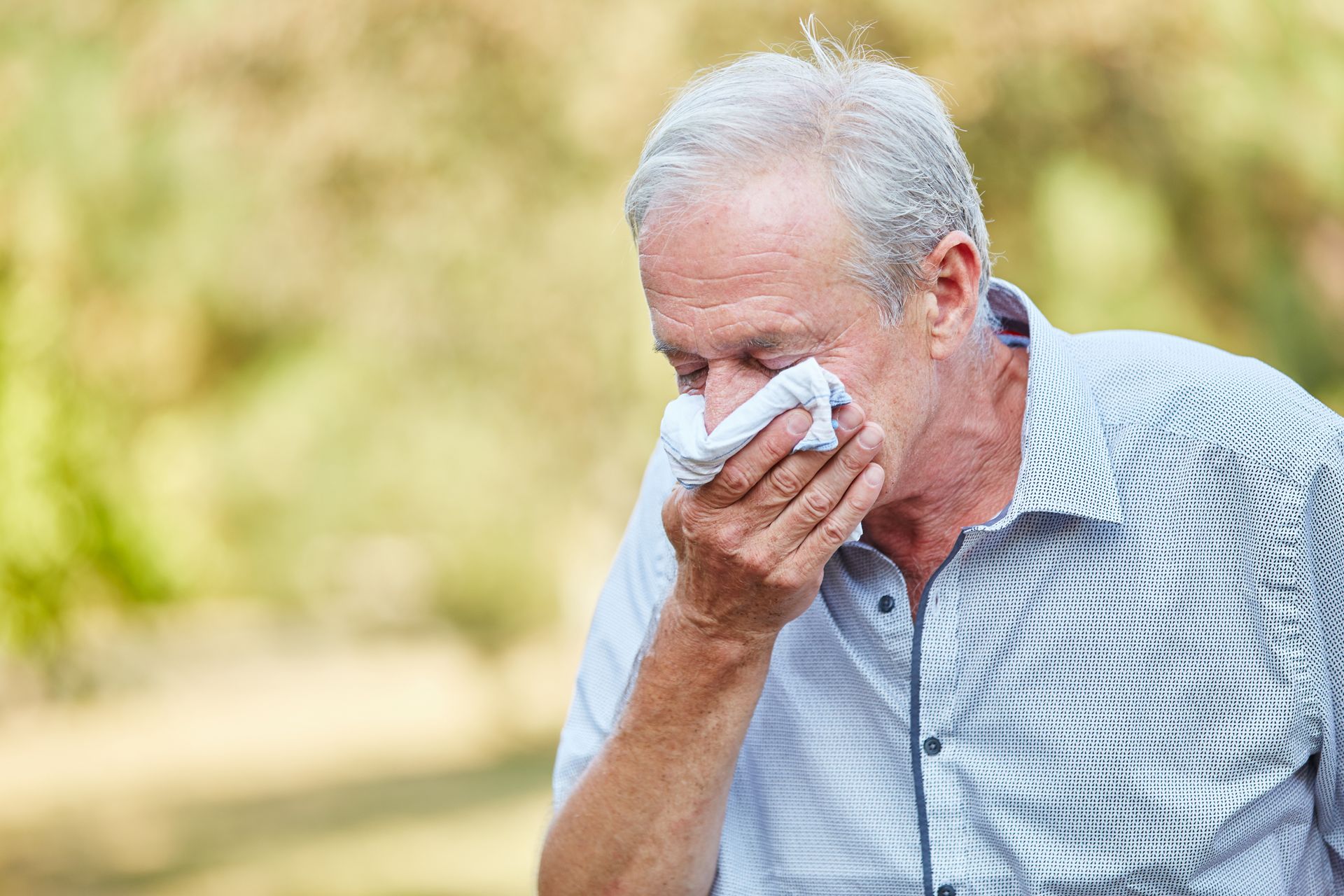
Common spring allergy symptoms in seniors include:
- nasal congestion and sneezing
- watery or itchy eyes
- coughing or throat irritation
- fatigue or difficulty sleeping
These symptoms can impact overall well-being if not properly managed.
Reducing Indoor Allergen Exposure
Limiting exposure inside the home is one of the most effective ways to manage seasonal allergies in older adults. Keeping windows closed during high pollen days and using air filtration systems can significantly reduce indoor allergens.
Regular cleaning, dusting, and vacuuming also help minimize pollen and dust that may be brought indoors.
Managing Outdoor Allergies Safely
Spending time outdoors remains important for senior health, but timing and preparation matter. Encouraging outdoor activity when pollen counts are lower, typically earlier in the morning or after rainfall, can reduce symptom flare ups.
Showering and changing clothes after outdoor exposure helps prevent allergens from lingering on skin or fabrics.
Medication Awareness and Allergy Treatment
Many seniors rely on medications to manage allergy symptoms. However, some allergy medications can interact with existing prescriptions or cause side effects such as dizziness or drowsiness.
Consulting healthcare providers before starting new treatments helps ensure safe allergy management for seniors, especially those with complex medical needs.
Supporting Respiratory Health During Allergy Season
Seasonal allergies can aggravate asthma, COPD, or other respiratory conditions. Monitoring breathing, coughing, and overall comfort is essential during spring months.
Using humidifiers appropriately and maintaining clean air systems supports senior respiratory health throughout allergy season.
Hydration and Nutrition Matter
Proper hydration helps thin mucus and ease congestion, while balanced nutrition supports immune health. Encouraging seniors to drink enough fluids and maintain regular meals can help reduce the severity of allergy symptoms.
Simple lifestyle adjustments often make a noticeable difference in comfort levels.
When Allergy Symptoms Need Medical Attention
If allergy symptoms worsen or interfere with daily activities, professional medical evaluation is important. Persistent coughing, wheezing, or breathing difficulty should never be ignored.
Early intervention helps prevent complications and supports safer outcomes.
Supporting Comfort and Wellness Through Spring
Managing spring allergies in seniors requires a combination of awareness, prevention, and personalized care. Small adjustments can significantly improve comfort and quality of life during allergy season. Gluco Lodge Personal Care Home provides attentive support designed to help seniors navigate seasonal health challenges while maintaining comfort, safety, and overall well-being throughout the spring months.