
Personal Care Homes vs. Assisted Living Facilities in Pennsylvania: Understanding the Legal Differences
When families begin researching senior care solutions for their aging loved ones, they are frequently met with an overwhelming wave of industry medical jargon and industry terms that appear entirely interchangeable. Two of the most commonly conflated and misunderstood concepts are personal care homes and assisted living facilities in Pennsylvania. At first glance, the day-to-day environments of these senior living options seem practically identical; residents in both communities receive nutritious meals, benefit from 24-hour emergency oversight, and get compassionate assistance with activities of daily living (ADLs) like bathing, grooming, and managing medications.
However, beneath the surface cosmetic similarities lies a strict, distinct legal division. Under Pennsylvania statutory law, these two models operate within entirely different licensing frameworks, are governed by separate regulatory chapters, and carry vastly different mandates regarding housing construction, staffing criteria, and medical service capacities. Choosing the incorrect environment can create unexpected moving friction if a senior's medical requirements outpace a community’s legal licensing boundary. Developing a thorough understanding of these regulatory differences ensures families can select a long-term home that guarantees safety, compliance, and peace of mind.
What Is a Pennsylvania Personal Care Home?
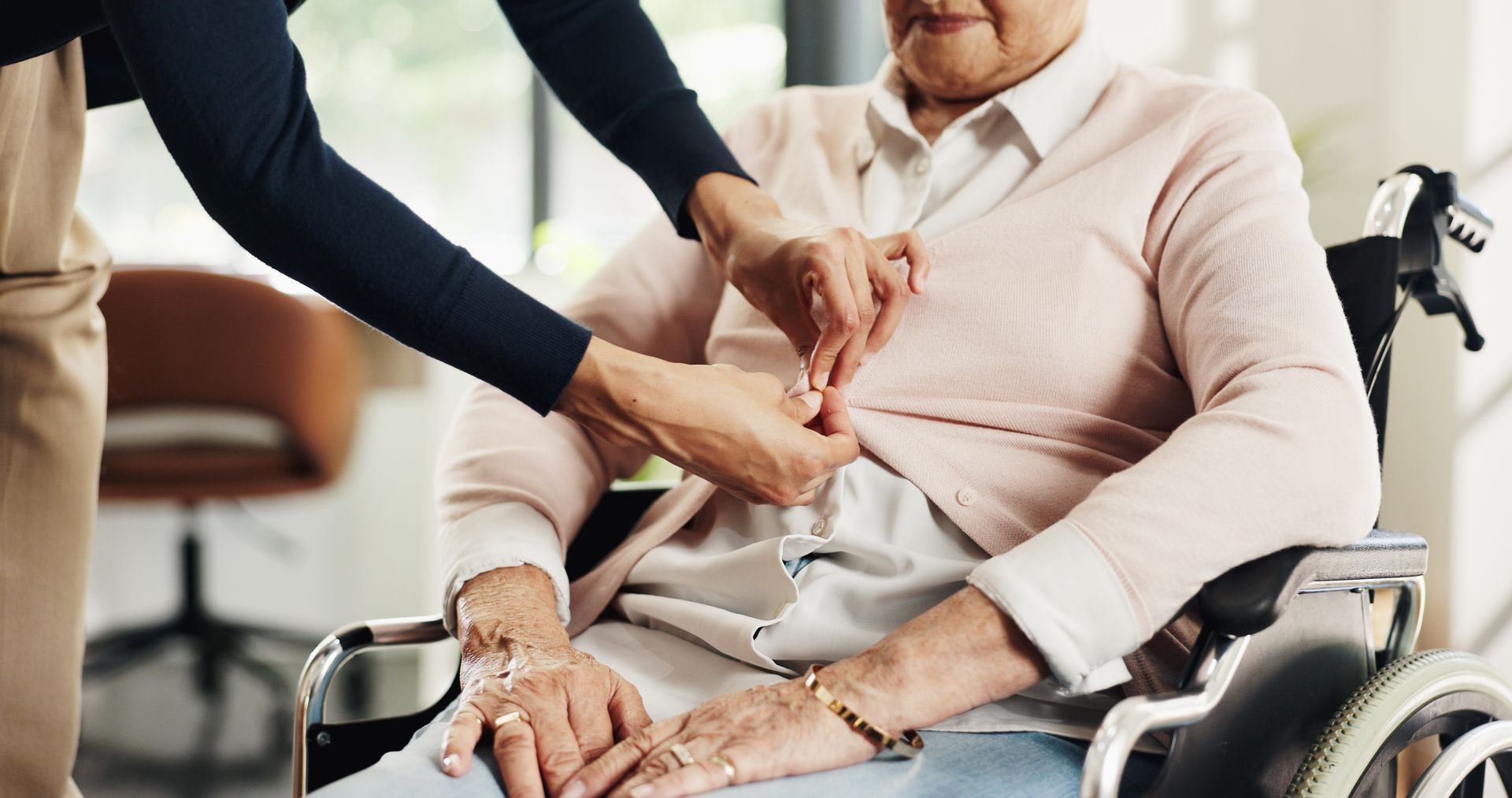
A personal care home is a residential community licensed by the Pennsylvania Department of Human Services (DHS) under PA Code Chapter 2600. This living model is designed specifically for older adults or individuals with physical or cognitive challenges who are largely mobile and medically stable, but require routine, non-clinical supervision and assistance with daily living routines. Residents receive personalized help with dressing, running essential errands, scheduling doctors' appointments, and navigating their daily schedules safely.
The underlying operational philosophy of this environment is to provide a vibrant, communal infrastructure that fosters social engagement while eliminating the isolation and physical hazards of living entirely alone. These communities are an exceptional fit for seniors who need a supportive safety net but do not require complex, invasive medical equipment or ongoing skilled nursing interventions. Rooms in these homes can range from private studios to comfortable, budget-friendly shared accommodations, depending on the physical design of the licensed building.
What Is an Assisted Living Facility in PA?
An assisted living facility in Pennsylvania provides an upgraded, distinct tier of residential and medical care, operating under its own specialized licensing bracket governed by PA Code Chapter 2800. While it mirrors the baseline hospitality and personal assistance found in a standard home, the state enforces far more rigorous infrastructure rules. Under Chapter 2800, these communities are legally mandated to provide private, apartment-style living units that feature independent lockable doors, private full bathrooms, and dedicated kitchenette spaces equipped with a sink and refrigeration.
The legal framework governing these communities places an immense priority on enhanced resident autonomy, strict privacy protections, and a much higher standard of clinical versatility. These communities are legally structured to serve seniors who possess more advanced, chronic health conditions, offering a more extensive baseline of supportive staff intervention. It serves as a specialized residential bridge, giving seniors access to a higher level of daily physical and medical support without forcing them to move directly into a institutional skilled nursing facility.
Critical Legal Differences: Accommodations, Licensing, and Aging in Place
To accurately weigh your family's options, you must analyze the four primary regulatory pillars that separate these two Pennsylvania senior living models:
Living Accommodations and Privacy Standard Mandates
The structural design constraints required by Pennsylvania law vary dramatically between these choices. A licensed assisted living facility in Pennsylvania must guarantee private, self-contained living apartments with explicit minimum square footage rules, independent climate controls, and fully integrated kitchenettes to maximize personal independence. Conversely, a personal care setting allows for a more traditional, communal residential footprint, offering private bedrooms or semi-private shared suites that emphasize community interaction and affordable pricing.
The Legal Concept of Aging in Place
The defining legal boundary between these two senior living models centers on the concept of aging in place. Under Chapter 2800 regulations, an assisted living community is legally required to assist a resident through advanced stages of physical decline by bringing in supplemental healthcare services directly to their private apartment. In a personal care environment under Chapter 2600, if a senior’s cognitive or medical requirements escalate to a point where they require continuous skilled nursing or total mechanical transfers, state law may require them to transition out of the home and into a higher-tier medical facility.
Regulatory Oversight and Supplemental Care Packages
While the Pennsylvania Department of Human Services closely inspects and monitors both models, Chapter 2800 enforces much tighter operational standards. Assisted living administrators must complete more extensive annual continuing education hours, maintain higher core staffing ratios, and offer comprehensive, integrated healthcare packages. These packages allow residents to receive advanced clinical care; such as specialized wound management, complex oxygen therapy, or intensive physical rehabilitation, seamlessly within their residential unit.
Core Similarities in Senior Living Operations
Despite their sharp legal and structural divisions, both senior care models share a fundamental core mission: enhancing a senior's daily quality of life, preserving their personal dignity, and reducing the physical vulnerabilities associated with aging alone. Whichever option your family chooses, your loved one will gain immediate access to a comprehensive suite of luxury hospitality and supportive services, including:
- Fresh Meal Preparation: Three chef-curated, nutritionally balanced meals served daily in elegant dining rooms, with accommodations for unique dietary restrictions.
- Housekeeping and Laundry Services: Full-service linen laundering, regular deep cleaning of living spaces, and routine property maintenance.
- Medication Administration Support: Professional tracking, storage, and timely distribution of prescribed pharmaceuticals to ensure total clinical compliance.
- Social and Cognitive Engagement: Structured activities calendars featuring local transportation, wellness fitness programs, arts and crafts, and holiday celebrations.
How to Choose the Right Care Level for Your Family
Selecting the ideal community requires an honest, objective evaluation of your loved one's current health trajectory, physical mobility, financial long-term budget, and future care expectations. If your family member is primarily independent but is beginning to struggle with loneliness, preparing nutritional meals, or safely remembering their daily medication schedule, a personal care home provides a warm, highly customized, and cost-effective solution.
However, if your loved one is managing a progressive physical illness, requires regular clinical treatments from licensed nurses, or strongly desires a private, apartment-style layout that allows them to age in place as their physical needs increase, an assisted living license offers the long-term flexibility they require. Touring local communities and speaking transparently with staff about their exact licensing designation is the most secure method for aligning your family's expectations with state law.
Compassionate Senior Living at Gluco Lodge Personal Care Home
Navigating the transition into senior living can feel emotionally exhausting, but you do not have to map out this journey by yourself. Relying on vague online directories will not give you the regulatory clarity or peace of mind you need to secure your loved one's future health. True, reliable care demands a trusted local partner who prioritizes safety, transparent communication, and genuine, family-oriented hospitality.
At Gluco Lodge Personal Care Home, we provide premium, compassionate residential care tailored directly to the unique needs of our residents. Nestled in a welcoming, beautiful environment, our community specializes in delivering top-tier personal care services that allow seniors to maximize their personal independence while receiving professional support with daily routines. Protect your loved one's comfort and happiness—schedule a personalized tour of our senior living community today, or call our expert advisors to explore our tailored personal care senior living options and find the perfect balance of independence and care.
What is the primary difference between personal care and assisted living in Pennsylvania?
The primary distinction is legal and structural. Assisted living facilities operate under PA Chapter 2800 and are legally required to provide private apartments with kitchenettes, while offering a higher level of clinical care to allow residents to age in place. Personal care homes operate under Chapter 2600 and focus on non-clinical personal care assistance in private or shared rooms.
Can a personal care home manage a resident's daily medications?
Yes, absolutely. Both senior living models are fully authorized by the state of Pennsylvania to provide comprehensive medication assistance, including secure storage, strict schedule logging, and professional distribution by trained staff members.
What does the phrase "aging in place" mean for Pennsylvania seniors?
Aging in place refers to a community's regulatory ability to provide escalating clinical and medical care directly to a resident as their health declines, eliminating the stressful need for them to relocate to a different building or skilled nursing community as they grow older.
Is a personal care home more affordable than an assisted living facility in PA?
Generally, yes. Because personal care homes feature more flexible structural requirements and often utilize semi-private suites alongside communal floor plans, their monthly base rates are typically more cost-effective than the private apartment layouts mandated in assisted living.
Are personal care homes strictly regulated by the state of Pennsylvania?
Yes. Every personal care community in PA must be officially licensed and undergo rigorous, unannounced compliance inspections by the Pennsylvania Department of Human Services to ensure total adherence to health, safety, and resident rights codes.