

When Is It Time to Move to a Personal Care Home? Signs Families Should Know
Knowing when to move to a personal care home is one of the most difficult decisions families face. While many older adults want to remain at home as long as possible, there comes a point when additional support can improve safety, health, and overall quality of life.
A personal care home assists with daily activities, medication reminders, nutritious meals, and social engagement in a comfortable, home-like setting. Recognizing the signs early can help families make informed decisions before a crisis occurs.
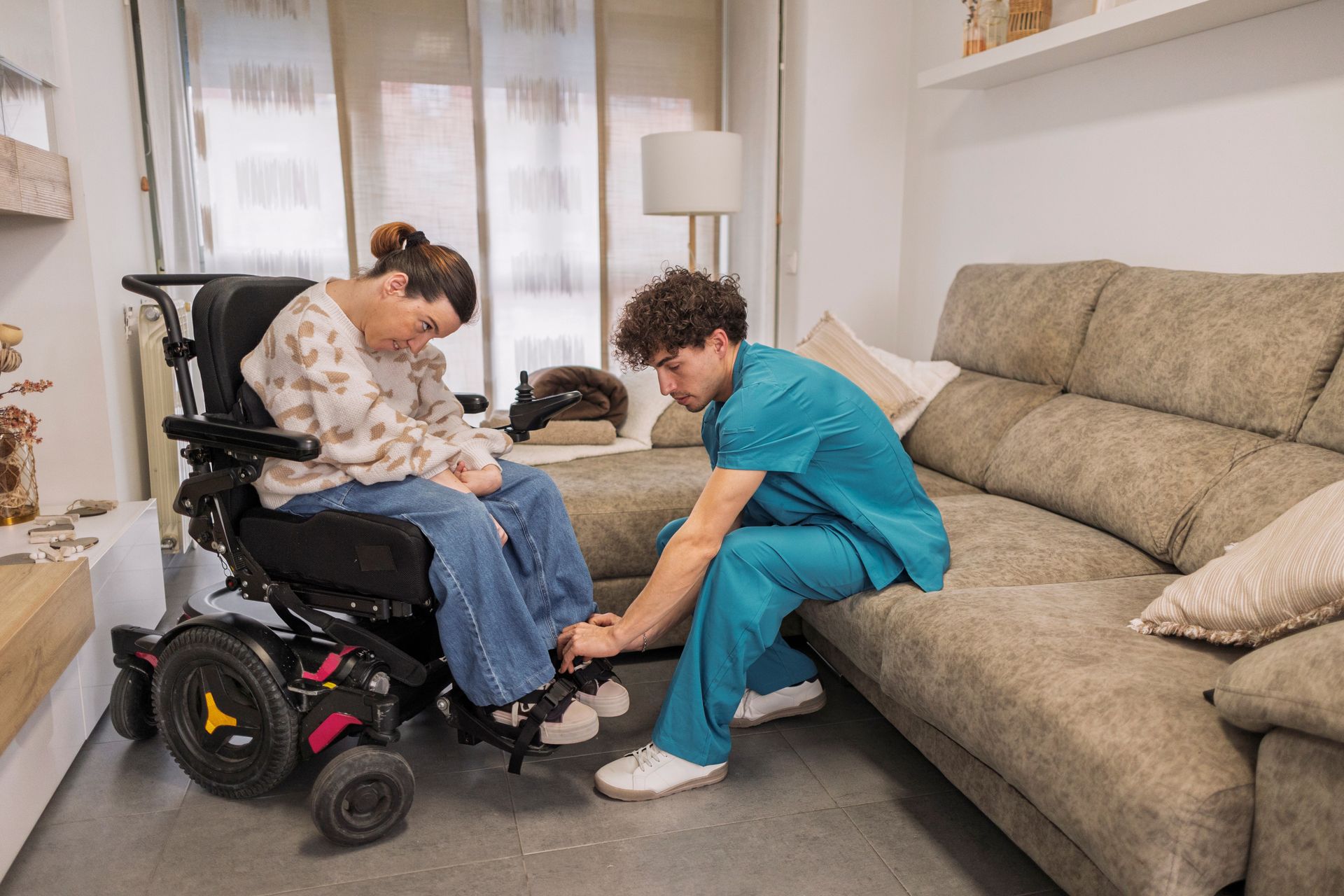
1. Daily Tasks Are Becoming Difficult
One of the first signs that additional care may be needed is difficulty managing everyday activities. These activities, often called Activities of Daily Living (ADLs), include:
- Bathing
- Dressing
- Grooming
- Using the restroom
- Walking safely
- Preparing meals
If your loved one struggles with these tasks or requires frequent assistance, a personal care home can provide the support they need while encouraging as much independence as possible.
2. Medications Are Being Missed
Managing multiple prescriptions can become overwhelming, especially for seniors with chronic health conditions.
Common warning signs include:
- Missed doses
- Taking medications at the wrong time
- Confusion about prescriptions
- Running out of medications
Medication reminders and daily support can help residents maintain more consistent routines.
3. Nutrition Is Suffering
Proper nutrition is essential for healthy aging. If your loved one is skipping meals, relying on unhealthy convenience foods, or losing weight unintentionally, they may benefit from a setting where balanced meals are provided on a regular schedule.
For seniors living with diabetes or other chronic conditions, consistent nutrition is especially important.
4. Falls or Mobility Concerns Are Increasing
Falls are one of the leading causes of injury among older adults. Even a minor fall can significantly impact a senior's independence.
Warning signs include:
- Difficulty walking
- Trouble getting out of chairs
- Frequent stumbling
- Fear of falling
- Previous fall-related injuries
A personal care home offers a safer environment with caregivers available to assist when needed.
5. Isolation Is Affecting Emotional Well-Being
Living alone can lead to loneliness and reduced social interaction. Over time, isolation may contribute to depression, anxiety, and declining overall health.
Residents of personal care homes often enjoy:
- Shared meals
- Group activities
- Meaningful conversations
- Daily interaction with caregivers
- Opportunities to build friendships
Social engagement supports emotional well-being and helps many seniors maintain a higher quality of life.
6. Family Caregivers Are Feeling Overwhelmed
Many family members provide care while balancing careers, children, and other responsibilities. Over time, caregiving can become physically and emotionally exhausting.
Signs of caregiver burnout may include:
- Constant stress
- Sleep problems
- Anxiety
- Fatigue
- Feeling overwhelmed
- Difficulty balancing responsibilities
Choosing a personal care home allows families to focus on spending meaningful time together instead of managing every aspect of daily care.
7. Health Needs Are Becoming More Complex
As health conditions change, seniors may need more consistent support than family members can safely provide at home.
A personal care home offers assistance with daily routines while helping residents maintain comfort, dignity, and independence according to their individual needs.
Benefits of Choosing a Personal Care Home Early
Waiting until an emergency occurs can make the transition more stressful for everyone involved.
Planning ahead allows families to:
- Explore available options
- Visit communities together
- Ask questions
- Develop a thoughtful transition plan
- Help their loved one adjust gradually
Making the move before a crisis often leads to a smoother experience and greater peace of mind.
What is the right age to move to a personal care home?
There is no specific age. The decision should be based on an individual's ability to safely manage daily activities, medications, nutrition, and overall health rather than age alone.
What are the biggest signs someone needs a personal care home?
Difficulty with daily activities, medication management, poor nutrition, falls, isolation, and increasing caregiver stress are common indicators that additional support may be beneficial.
Is moving to a personal care home giving up independence?
No. Personal care homes are designed to support independence by providing assistance only where it is needed, allowing residents to remain active and engaged.
How can families make the transition easier?
Involving your loved one in the decision-making process, touring communities together, and planning the move in advance can help reduce anxiety and create a smoother transition.
Compassionate Personal Care at Gluco Lodge
At Gluco Lodge, we understand that every resident's journey is unique. Our caring team provides personalized assistance in a warm, welcoming environment where seniors receive the support they need while maintaining dignity and independence.
If you're beginning to wonder whether a personal care home is the right choice for your loved one, we invite you to learn more about our services, meet our team, or contact us to schedule a tour and see how Gluco Lodge can help.